Classic cars evoke a sense of nostalgia, representing not only automotive history but also the craftsmanship and innovation of their time. However, owning a classic vehicle extends beyond mere appreciation; it demands specialized knowledge and skills. The intricacies involved in maintaining and restoring these vehicles can be daunting for even seasoned car enthusiasts.
Understanding what sets classic cars apart from modern vehicles is the first step toward effective care. Classic cars often feature outdated technology, unique components, and materials that require different handling techniques. This article aims to guide you through essential aspects of caring for classic cars, ensuring they remain in top shape for years to come.
Understanding Classic Car Components
The heart of any vehicle is its engine, and classic cars are no exception. However, the engines found in older https://joshhawkinsautomotive.com/ models differ significantly from contemporary counterparts. Many classic cars are equipped with carbureted engines rather than fuel-injected systems. This distinction affects everything from fuel delivery to maintenance requirements. Carburetors can be sensitive; therefore, regular cleaning and adjustment are essential to ensure optimal performance.
Transmission systems in classic cars may also diverge from modern designs, with many utilizing manual gearboxes or less sophisticated automatic transmissions. Familiarizing yourself with these components will provide deeper insight into your vehicle's needs.
Keeping the Engine Running Smoothly
Regular engine diagnostics play a crucial role in maintaining classic cars. With the rise of technology, tools such as OBD-II scanners have become invaluable for diagnosing engine issues. Although many vintage models do not support these newer diagnostic tools directly, understanding how to interpret basic engine codes can help you identify potential problems early on.
When troubleshooting common issues like poor fuel economy or engine misfires, engaging professional services may be necessary. An experienced mechanic familiar with older vehicles can provide precise diagnostics tailored to your model's specifications.
Routine Maintenance: The Lifeblood of Longevity
Routine maintenance is not just a recommendation; it is necessary for preserving the value and functionality of your classic car. Depending on the age and condition of your vehicle, this could range from simple oil changes to comprehensive inspections.
Essential Maintenance Tasks
Oil Changes: Regular oil changes help lubricate critical engine components and prevent damage caused by wear over time. Fluid Checks: Monitoring coolant levels, brake fluid, and transmission fluids is essential in preventing overheating and maintaining braking efficiency. Battery Care: Classic cars often use lead-acid batteries which can degrade faster than modern alternatives. Regular maintenance includes checking connections and ensuring terminals are corrosion-free. Tire Health: Inspecting tire pressure and tread depth regularly helps maintain performance while ensuring safety. Brake System Inspection: Vintage brakes may need more frequent checks due to wear or rust buildup that can lead to decreased stopping power.Investing time into routine checks not only prolongs the life of your vehicle but also enhances safety on the road.
Specialized Knowledge—A Necessity
Caring for a classic car requires specialized knowledge that goes beyond traditional automotive care practices. Understanding how various systems interact within these older models can make all the difference when diagnosing issues or planning restorations.
Historical Context Matters
Knowledge about the specific model’s history can inform maintenance choices significantly. For instance, some manufacturers had notorious reliability issues during certain production years or specific models known for particular quirks or vulnerabilities. Having this context allows owners to anticipate problems before they arise.
Furthermore, sourcing replacement parts poses its own challenges; many original parts may no longer be manufactured or readily available at local auto shops. Owners must often seek out specialty suppliers or online marketplaces dedicated to vintage car parts.
Troubleshooting Common Issues
Classic cars can present unique challenges when it comes to troubleshooting common issues like electrical failures or unusual noises during operation.
Understanding typical symptoms associated with specific faults allows owners to react promptly rather than waiting until problems escalate into costly repairs.
Electrical Systems
Older vehicles utilize simpler electrical systems which can still present their own set of challenges due to corroded connections or aging wiring harnesses:
- Faulty Ignition Systems: Signs of ignition failure often include difficulty starting or stalling during operation. Lighting Issues: If headlights flicker inconsistently or fail entirely, it may indicate wiring degradation. Battery Drain: If you notice frequent battery drain despite recent replacements, an underlying electrical issue may need addressing.
Developing a foundational knowledge of these systems enables effective troubleshooting while avoiding unnecessary expenses through trial-and-error repairs.
Restoration Projects—Where Passion Meets Precision
Restoring a classic car is as much about passion as it is about precision. Whether you’re bringing an old beauty back to life or enhancing an already running vehicle’s capabilities, restoration projects demand careful planning and execution.
Common Restoration Areas
Bodywork: Rust repair might involve patching holes or replacing entire panels; knowing how metal responds under heat helps avoid further damage during welding. Interior Refurbishment: Upholstery replacement requires skillful handling of materials that match vintage aesthetics while offering modern comfort. Engine Rebuilding: A complete rebuild necessitates understanding tolerances specific to each engine type; consider hiring professionals if you're unfamiliar with internal mechanics. Suspension Upgrades: Enhancing suspension systems improves ride quality without compromising authenticity; however, sourcing period-correct parts requires diligence. Paint Restoration: Matching original paint colors accurately ensures preservation while providing aesthetic appeal; consulting color guides tailored for your model can yield better results.Restoration projects take time and commitment but offer immense satisfaction upon completion—a chance not only to preserve automotive history but also create something uniquely personal that carries stories forward through generations.
The Importance of Professional Help
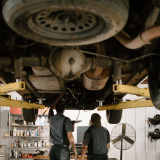
While DIY projects can be rewarding, knowing when to seek professional help is vital for maintaining your vehicle's integrity.
Experienced mechanics specializing in classic cars bring invaluable expertise that saves time while preventing costly mistakes stemming from inexperience—an investment worth considering if you're serious about preservation efforts.
Professional services encompass everything from detailed inspections using specialized equipment tailored specifically for older vehicles down through comprehensive restorations where craftsmanship meets authenticity standards established by manufacturers themselves throughout history.
Building a Network
Engaging with other classic car enthusiasts enriches both knowledge-sharing opportunities as well as fosters community support during ownership experiences—especially beneficial when tackling tough repairs or restorations where expertise varies widely among individuals involved!
Local clubs frequently organize events showcasing member vehicles which serve as excellent platforms fostering camaraderie amongst fellow enthusiasts while providing valuable insights related directly back towards honing skills needed throughout ownership experiences alike!
In addition to joining local clubs dedicated solely towards celebrating vintage automobiles participating actively within online forums proves advantageous too! Sharing tips regarding diagnosis methods learned over years spent tinkering beneath hoods offers immeasurable benefits towards personal growth within hobbyist circles alike!
Owning and caring for a classic car is more than just having an eye-catching piece of machinery—it represents commitment intertwined with passion rooted deeply within automotive culture itself! By arming yourself with specialized knowledge coupled alongside practical experience navigating this intricate landscape becomes manageable resulting ultimately in healthier happier rides down memory lane!